Source Tree Transplanter for Landscaping, Forestry, and Planting
Find 17 tree transplanter options for landscaping, forestry, and planting. Compare hydraulic models with varying digging depths, root ball capacities, and power sources to select the right equipment for your agricultural or construction needs; compare the available evidence and request quotations based on your requirements.
Key considerations
Products List


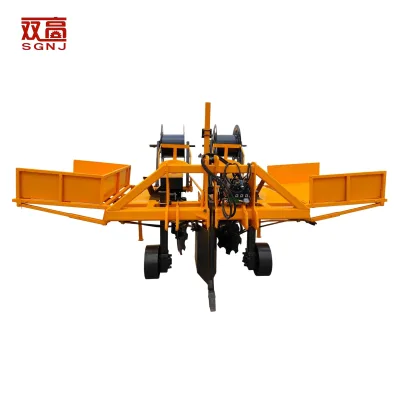

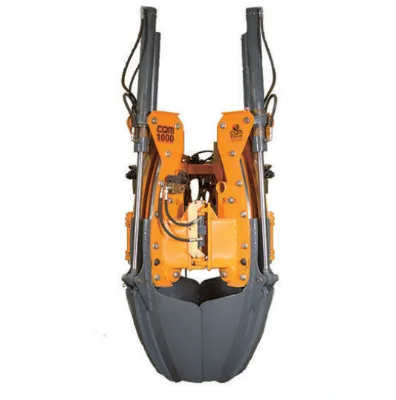
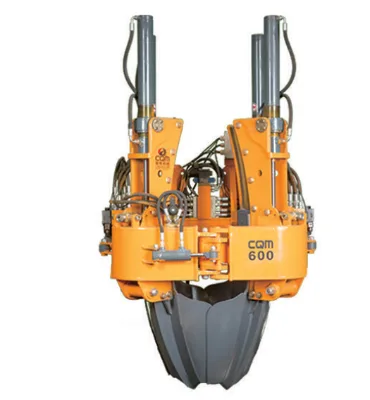

Comprehensive Sourcing Guide
Tree Transplanter Sourcing Guide
Buyers must first distinguish between hydraulic and tractor-mounted units, as the supplied data indicates a primary reliance on hydraulic power sources for digging operations. The observed product range includes specific models like the C80, C120, and S404, which suggests a market segment focused on varying tree sizes rather than a single universal machine. Understanding these model distinctions is critical before engaging with suppliers, as the power requirements and physical dimensions differ significantly between a sapling transplanter and a heavy-duty tree spade digger.
Procurement decisions should also account for the specific application context, whether for agricultural planting, forestry operations, or urban landscaping. The available listings highlight applications such as seedling transplanting and tree planting, with working efficiencies noted around 0.2 to 0.3 hectares per hour. Buyers should verify if the machine's connection method, such as the three-point suspension observed in some listings, matches their existing tractor fleet to ensure seamless integration and operational safety during field deployment.
Product Scope and Observed Listing Signals
The market presents a wide price spectrum, ranging from approximately $1.58 to $21,000, which reflects the diversity in machine complexity and capacity. This variance often correlates with the digging depth and root ball diameter capabilities, where units capable of handling 700-850mm root balls command different pricing tiers than those designed for smaller saplings. Buyers should treat these price points as indicative of the specific configuration rather than a standard baseline, ensuring they request detailed quotes for the exact model number required for their project scale.
Minimum Order Quantities (MOQ) observed in the market span from single units to 1000 pieces, indicating flexibility for both individual contractors and large-scale distributors. While some suppliers offer single-item selling units, others may require bulk commitments for custom configurations or specific color options like yellow or black. It is essential to clarify the MOQ early in negotiations, as this directly impacts the total cost of ownership and the feasibility of testing a single unit before committing to a larger fleet purchase.
Technical Specifications to Verify
Critical technical verification must focus on the digging depth and root ball volume, as these parameters determine the machine's suitability for specific tree species. The observed specifications include a digging depth of 600mm and a root ball volume of 0.2 cubic meters, alongside models capable of digging 850mm tree balls. Buyers should demand precise dimensional data for the specific model number, such as the 3550x2250x2500mm dimensions noted in some listings, to ensure the equipment fits within their transport constraints and operational site limitations.
Power requirements and blade configuration are equally vital for assessing operational efficiency and fuel consumption. Listings indicate a matched power of 88.2kw for larger units and a 120w power rating for smaller components, with a standard four-blade configuration observed. Procurement teams must verify the actual hydraulic power source compatibility and confirm the number of rows and working efficiency claims, ensuring the machinery can meet the required throughput of 0.2 to 0.3 hectares per hour without excessive strain on the power system.
Compliance and Safety Documentation
Safety and regulatory compliance are paramount, with observed certifications including CE, EPA, and CCC marks that indicate adherence to specific regional safety standards. The presence of ISO9001 certification suggests a commitment to quality management systems, which buyers should verify through valid documentation rather than relying solely on supplier claims. It is crucial to request the machinery test report mentioned in the listings, as this document provides independent validation of the equipment's performance and safety features before finalizing any purchase agreement.
Documentation regarding the warranty and after-sales support must be clearly defined to mitigate long-term operational risks. The observed warranty period of one year and the provision of online support services are standard offerings that require formal inclusion in the purchase contract. Buyers should ensure that the warranty covers core components and that the supplier has a clear protocol for handling maintenance issues, particularly given the complex hydraulic systems and moving parts inherent in tree transplanting machinery.
Cost Drivers and Commercial Terms
The total cost of ownership is heavily influenced by customization options and packaging requirements, which can significantly alter the final invoice amount. The availability of custom packaging, such as wooden boxes or iron frames, and the option for customized colors like yellow or black add layers of complexity to the pricing structure. Buyers should explicitly request a breakdown of costs associated with these value-added services to understand the true marginal cost of tailoring the machine to their specific branding or logistical needs.
Commercial terms regarding the supply chain, including lead times and shipping logistics, are often determined by the product origin and specific model availability. With the majority of observed products originating from Guangxi, China, buyers must account for international shipping variables and potential delays in the supply chain. It is advisable to negotiate clear delivery schedules and Incoterms that define responsibility for freight and insurance, ensuring that the low consumption and high efficiency advantages of the machinery are not offset by logistical bottlenecks.
Supplier Qualification and Quality Control
Supplier qualification should prioritize those who provide machinery test reports and offer OEM or customized services, as these capabilities indicate a higher level of manufacturing maturity. The presence of a brand name like SGNJ and the provision of online support suggest an established supply chain, but buyers must independently verify the supplier's track record and financial stability. Relying on the core components and the specific model numbers provided in the listings is insufficient; a deeper audit of the manufacturing facility is necessary to ensure consistent quality control.
Quality control processes must be rigorously defined, particularly regarding the weight and structural integrity of the units, which range from 900kg to 1275kg in observed listings. Buyers should insist on pre-shipment inspections that verify the root ball diameter, digging depth, and overall dimensional accuracy against the agreed specifications. Establishing a clear quality assurance protocol that includes testing of the hydraulic system and blade sharpness will help prevent costly failures and ensure the machinery performs reliably in demanding field conditions.
Long-Term Procurement Checks
Long-term procurement success depends on the availability of spare parts and the robustness of the after-sales service infrastructure. The observed one-year warranty and online support are foundational, but buyers must assess the supplier's ability to provide replacement parts for the hydraulic system and blades over the machine's lifespan. A reliable supply chain for components is essential to minimize downtime, especially for operations that rely on these machines for critical seasonal planting windows.
Performance monitoring and maintenance planning should be integrated into the procurement strategy to maximize the return on investment. Buyers should establish a schedule for regular maintenance checks, focusing on the hydraulic power source and the four-blade digging mechanism to prevent premature wear. By maintaining a proactive approach to equipment care and leveraging the low consumption and high efficiency features, organizations can ensure their tree transplanting fleet remains operational and cost-effective for years to come.
FAQs
What certifications do tree transplanters have?
Tree transplanters typically hold EPA, CCC, CE, ISO, and ISO9001 certifications. These documents verify compliance with safety and quality standards. Buyers should request specific certificates to ensure the machinery meets regional regulatory requirements before finalizing any purchase agreement.
How is the tree transplanter powered?
The machine operates using a hydraulic power source. This system provides consistent torque for digging and lifting heavy root balls. The hydraulic setup ensures efficient operation during tree transplanting tasks while maintaining stability across various soil conditions encountered in the field.
What is the digging depth capability?
The digging depth reaches up to 600mm for standard models. This depth accommodates most sapling and small tree root systems effectively. Users can adjust settings to match specific root ball diameter requirements ranging from 700 to 850mm depending on the selected machine model.
Can the product be customized?
Yes, customization is available for this tree transplanter. Buyers can request specific modifications to suit unique operational needs. The manufacturer offers flexible options including color choices and tailored specifications to ensure the equipment fits the intended agricultural or forestry application perfectly.
What is the warranty period?
The standard warranty period is one year for the tree transplanter. This coverage protects against manufacturing defects and ensures reliability during the initial usage phase. Online support is provided to assist with any technical issues or maintenance questions that may arise during this time.
Where is the product manufactured?
The product originates from Guangxi, China. This location is a known hub for agricultural machinery production. Buyers sourcing from this region can expect established supply chains and competitive pricing structures for high-quality tree transplanting equipment delivered to international markets.
What is the working efficiency?
Working efficiency ranges from 0.2 to 0.3 hectares per hour. This rate allows for rapid transplanting of seedlings and saplings in large-scale operations. The machine is designed for low consumption and high efficiency to maximize productivity during seasonal planting windows.